

When I started reviewing local business websites a few years ago, I realized that many shared the same problem: they were “fine”, but they no longer conveyed confidence or generated sales. If the same thing happens to you, maybe it’s time for a 2026 web redesign.
Although it may seem exaggerated, a website can age as fast as a mobile phone. Therefore, detecting signs of wear and tear in time is key to keeping your digital presence alive and competitive. Below, I explain the 5 clearest indicators that your website needs a new look before the new year begins.
1. The design looks like it's from another era
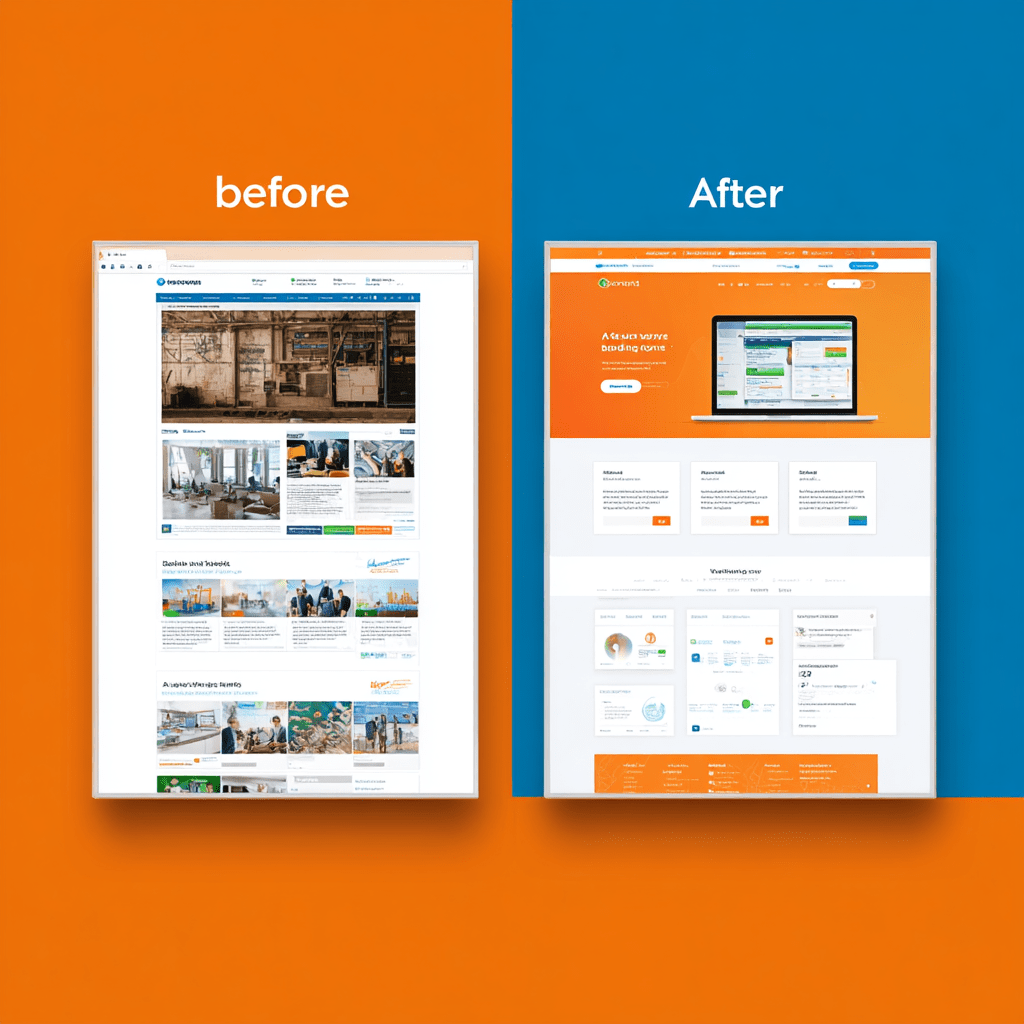
If you open your website and you have the feeling that you are looking at a screen from 2015, it is a clear sign. Styles, typographies and visual compositions evolve very quickly. Now, the user is looking for clean, readable and immersive designs, which convey confidence at first glance.
In addition, the 2026 web redesign is not just a matter of aesthetics. It is also a way to update your visual identity so that it reflects your current value as a brand. In other words, if your business has grown but your website does not show it, you are missing out on opportunities.
2. Conversions have fallen for no apparent reason
Have you noticed that you receive fewer forms or calls from the web? Often, the cause is not traffic, but user experience.
When users don’t find what they’re looking for quickly, they leave. This directly affects your SEO and your turnover. In a 2026 web redesign, one of the main goals is to improve the conversion journey, reducing friction and adapting each page to the real behavior of your customers.
For example, a button that is too hidden, a slow load, or a disorganized menu can cause you to lose leads without you realizing it.
3. Not 100% mobile-friendly
A few years ago, having a “responsive” website was optional. Today, it is essential. If your website does not adapt perfectly to any screen, you are leaving out more than 70% of users.
The 2026 web redesign places special emphasis on mobile-first, a philosophy that places the mobile experience as a priority. This means that each element – menu, buttons, images or forms – must be designed first for mobile and then for desktop.
With this adaptation, you not only improve usability, but also gain points against Google.
4. Performance is slow and difficult to position
Another obvious indicator is loading speed. If your website takes more than 3 seconds to load, you’re probably losing users before they see your content.
Search engines penalize slow websites, and this reduces your visibility. A 2026 web redesign involves reviewing all the code, optimizing images, implementing more efficient servers, and ensuring a modern SEO structure.
At wwwarcelona, we have found that a redesigned website can improve loading performance by 40% and reduce user bounce by 25%. And this, in the end, translates into more customers.
5. It doesn't reflect your current strategy
Maybe you have new products, a clearer value proposition, or fresher communication, but the website continues to tell you what you were five years ago.
An old website can give an image of a company that is not very outdated, and this generates mistrust. The 2026 web redesign allows you to align the digital image with your business reality, both visually and in the message.
When each section is designed to reinforce your current objectives, the website is no longer just a cover letter to become an active sales tool.
Other signs you can't ignore
Although the above points are the most common, there are others that also indicate the need for a change:
You have recurring technical issues or incompatibilities with plugins.
You can’t edit content easily.
There is no clear SEO or analytics strategy.
Aesthetics do not convey professionalism or brand coherence.
Your direct competitor has already revamped its website and now it looks more modern and faster.
Each of these factors adds up, and if more than three match, it’s time to plan a 2026 web redesign before it’s too late.
How to prepare for the 2026 redesign
The redesign process isn’t just about changing colors or moving blocks. Before you get started, it’s essential:
Analyze real data with Google Analytics or Search Console to understand what works and what doesn’t.
Define clear objectives, such as increasing conversions, improving SEO or revamping the image.
Create a new architecture, thinking about the user experience and content strategy.
Review copywriting, as old texts often do not reflect the current tone of the brand.
Choose the right technology, such as WordPress, Webflow, or a headless system, depending on the size of the project.
With these steps, you will achieve an effective and results-oriented redesign, not just an aesthetic change.

Conclusion
The 2026 web redesign is more than an update – it’s an investment in credibility, visibility, and performance. Companies that understand it earlier, go further.
At wwwarcelona, we help SMEs and startups to renew their websites with strategy, technology and design. If you suspect that your website no longer represents your business, it’s time to act. Together we can turn it into a tool that boosts sales, reputation and growth.
Frequently asked questions
-
How often should a website be redesigned?
It depends on the sector and the speed of digital changes, but usually every 3 or 4 years it is advisable to review it completely.
-
Is it necessary to change the entire website or just the design?
If the technical foundation is good, a visual redesign may be enough. But if the CMS or code is no longer secure, it's best to start from scratch.
-
Can the redesign affect SEO?
Yes, but with good planning you can improve, not worsen. You need to maintain redirects, titles, and optimized content.
-
How long does a complete redesign take?
A well-planned project can last between 4 and 8 weeks, depending on the complexity and speed of content approval.
